



Common Mistakes in Commercial Lease Agreements in Ontario
For business owners who are eager to start their business, a good location is of utmost importance.
They can be so focused on securing a rental property that they don’t take a hard look at the commercial lease.
The pressure to find the best location can cause many tenants to skim through the contract, rely on verbal assurances, or assume that commercial leases are similar to residential leases. The fact is that they are not.
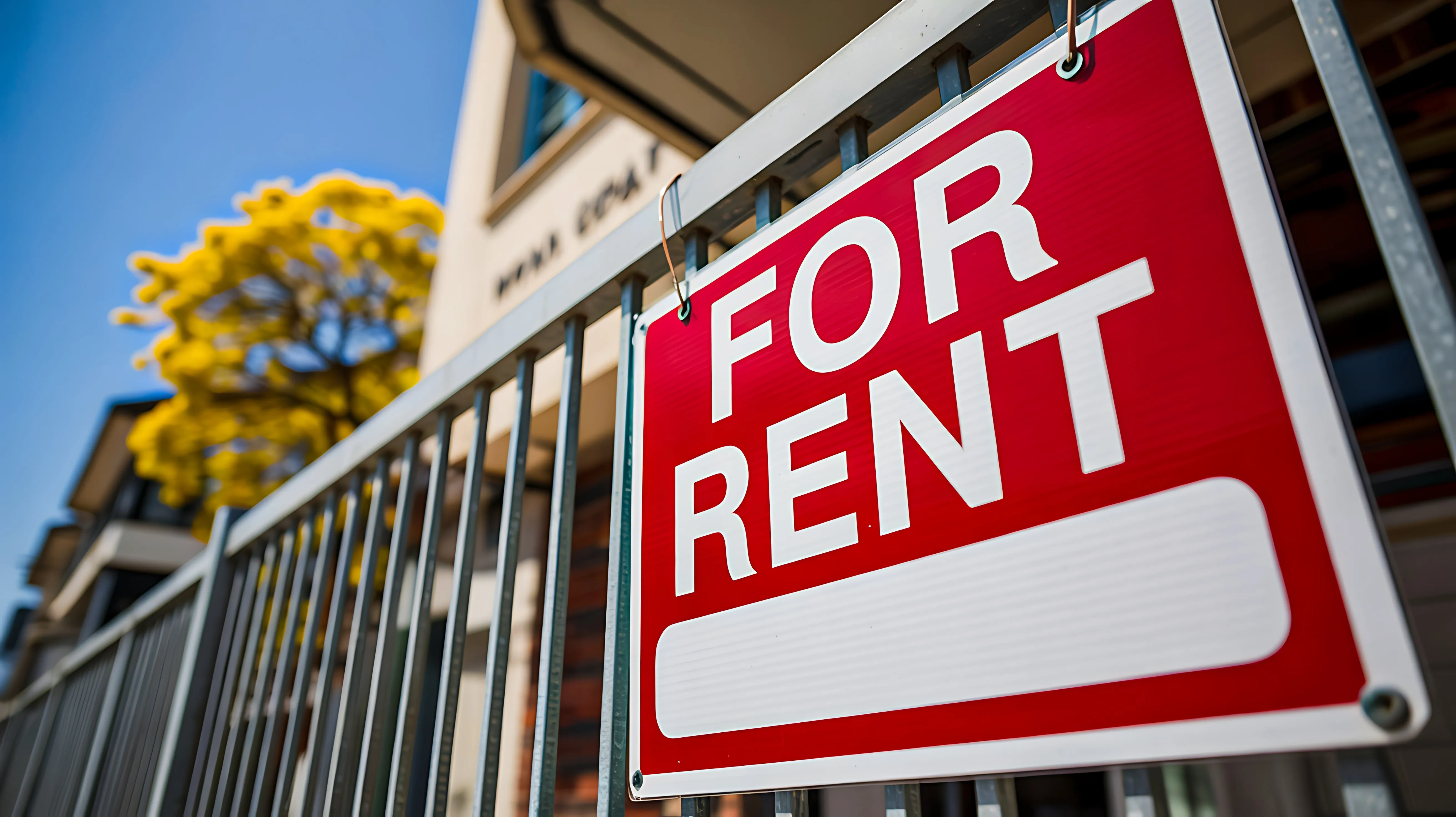
One overlooked clause can lock you into unexpected costs, personal liability, or even force you to relocate long before your business has recovered its investment.
| These common mistakes include failing to negotiate renovation and repair responsibilities, misunderstanding the termination and renewal clauses, and being unaware of permitted uses and zoning restrictions. |
|---|
In the following sections, we will discuss each mistake in detail so you can protect your business, negotiate better terms, and enter into a lease agreement with confidence rather than uncertainty.
You can also find a business lawyer to review your lease agreement or get legal advice.
Fill out the short online form on this page, free of charge.
What Every Business Owner Should Check in a Commercial Lease Agreement
Commercial leases in Ontario are long, detailed, and full of clauses that can significantly affect your business. Before you sign anything, make sure you carefully review (and negotiate) the following essential items. Missing even one of these can lead to unexpected costs or legal issues later on.

1. Total Rent Breakdown (Base Rent + TMI/CAM)
- Base rent per square foot
- Estimates of TMI/CAM fees
- What’s included in TMI (taxes? maintenance?)
- Annual increase limits
- Historical TMI costs (last 3–5 years)
Your actual monthly cost is often much higher than the base rent advertised.
2. Term Length and Renewal Options
- Start and end dates
- Renewal rights and notice deadlines
- Calculation of rent after renewal
- Automatic renewal or with written notice
Missing the deadline for the renewal notice even by a few days can cost you the entire space.`
3. Use Clause and Zoning Approval
- Permitted use should be clearly defined
- Indicate if expansion of services is allowed
- Municipal zoning for your business activities must be stated
- Restrictions on hours, noise, or signage must also be stipulated.
This is important because if your intended use is not permitted by the city, you will not be able to operate even after signing the agreement.
4. Maintenance and Repair Responsibilities
- Who pays for HVAC repairs and replacements
- Roof, structure, plumbing, and electrical responsibilities
- Snow removal, landscaping, and garbage disposal
- After-hours HVAC cost
Some leases shift expensive building repair obligations to the tenant. To avoid future unplanned expenses, ensure you are aware of this provision in the agreement.
5. Tenant Improvements and Build-Out Rules
- Who pays for renovations
- Improvement allowances (if any)
- Landlord approval process for construction
- Ownership of improvements when the lease ends
- Restoration obligations at move-out
Unclear improvement clauses lead to unexpected renovation or removal costs.
6. Personal Guarantees and Security Deposits
- Whether a personal guarantee is required
- Ability to cap or limit the guarantee
- Duration (“burn-off” clauses)
- Security deposit amount and refund conditions
Personal guarantees can risk your personal assets if the business struggles.
7. Insurance Requirements
- Minimum liability coverage amounts
- Additional insured requirements
- Business interruption insurance
- Coverage for contents and improvements
Insufficient insurance can violate the lease or leave you uncovered during a loss.
8. Demolition, Redevelopment, and Relocation Clauses
- Landlord’s right to terminate early
- Notice period given
- Compensation for relocation
- Your right to refuse relocation
These clauses can force you out in the middle of a profitable period, resulting in lost revenues and disruptions to your operations.
9. Assignment and Subletting Rights
- Conditions for transfer of lease
- Fees for assignment/sublease
- Right to assign in the event that the business is for sale
Without assignment rights, issues can arise if you want to sell your business, sublet your space, or exit the business.
10. Operating Restrictions and Business Rules
- Hours of operation
- Restrictions on products/services offered
- Noise, delivery, and waste rules
- Parking requirements or limitations
These rules can affect your operations and customer flow. Ensure that there are no limitations that can negatively affect your business operations.
11. Termination Rights and Default Clauses
- Consequences of late rental payments
- Cure periods before penalties are applied
- The landlord’s right to lock you out
- Consequences and conditions of pre-termination of lease
Default clauses determine how much flexibility you have during hard times.
12. Utility Responsibilities
- Who pays for water, electricity, gas
- Separate meters vs. shared meters
- After-hours HVAC fees
Utility expenses affect your monthly costs so it is important to be aware of what you will be responsible for.
Reviewing these items carefully and negotiating changes that protect your interests can help you avoid costly mistakes and secure a commercial lease that truly supports your business.
When in doubt, consult a commercial leasing lawyer to review the document before signing anything.
How to Negotiate a Commercial Lease in Ontario

Even if a lease appears to be standard, some clauses can be negotiable, especially for small business tenants willing to ask the right questions.
Negotiation is not about being adversarial; it’s about ensuring that your lease supports your business and does not expose you to unnecessary financial risks.
Here are the most effective strategies for negotiating a fair commercial lease in Ontario.
1. Start with the Terms That Affect Your Costs the Most
Rather than trying to negotiate everything at once, focus on the items with the biggest dollar impact:
- TMI/CAM caps
- Rent escalations
- HVAC responsibilities
- Improvement allowances
- Personal guarantee limitations
Securing improvements or reducing risks in just one of these areas can save you tens of thousands over the lease term.
2. Ask for a detailed TMI/CAM breakdown before negotiating rent.
Many landlords will discuss base rent first, but TMI often affects your budget more dramatically. Ask for:
- Itemized operating costs
- Historical TMI for the past 3–5 years
- Forecasted increases
Then negotiate:
- Caps on annual TMI increases
- Exclusion of capital expenditures
- Removal of admin mark-ups
Predictability is critical to good cash flow. You need to understand and control this number before signing the lease.
3. Negotiate a Personal Guarantee Only as a Last Resort
If the landlord insists on a guarantee:
- Cap it at 6–12 months
- Limit it to the first 1–2 years of the lease
- Request a burn-off schedule
- Ask for removal after certain revenue benchmarks
A personal guarantee puts your personal finances at risk. Limiting it is critical for long-term protection.
4. Request Free Rent or Improvement Allowances
Landlords often expect negotiation here. You may be able to get:
- 1–3 months of free rent during build-out
- Cash contribution for improvements
- Free or discounted rent while waiting for permits
- Bathroom, plumbing, or electrical upgrades paid by the landlord
Build-out and start-up costs are high. Securing allowances reduces financial pressure during your opening months.
5. Clarify Maintenance Responsibilities before Signing
Try to negotiate the following:
- HVAC maintenance and replacement to be covered by the landlord.
- Roof and structural repairs excluded from tenant costs
- Caps on annual maintenance fees
- Systems are delivered “in good working order”.
Major repairs are expensive. Without clear wording, landlords often shift these costs to tenants.
6. Strengthen Your Renewal Rights
Your ability to stay long-term impacts the profitability of your business location. You can negotiate your renewal rights:
- Automatic renewal warning reminders
- Clear renewal rent formula
- Right of first refusal on adjoining spaces
- Right of first refusal on the location if the landlord sells
Good locations are hard to replace. Strong renewal rights protect your future plans.
7. Remove or Modify Relocation/Demolition Clauses
If the landlord won’t remove them entirely, negotiate:
- Longer notice periods (18–24 months)
- Full relocation costs covered
- Compensation for lost business
- Equal or better replacement space
- Right to terminate instead of relocating
These clauses can destroy businesses without warning. You must protect your stability.
8. Ask for Flexibility in Assignment and Subletting
This is especially important if you plan to sell your business eventually. Negotiate the following terms:
- Reasonable consent clause (landlord can’t refuse without a valid reason)
- Lower assignment fees
- Ability to assign when selling the business
- Exemption from personal guarantee AFTER assignment
These clauses determine how easily you can exit or transition your business.
9. Put Verbal Agreements in Writing
Anything concessions promised by the landlord such as free rent, repairs, or allowing specific uses, must appear in the lease or an official addendum.
If it is not in writing, it legally does not exist. Verbal promises cannot protect you in a future dispute.
Negotiation is not just about reducing the rental price but about creating balance and protecting yourself from unexpected risks. With the right negotiation strategy, you can secure better terms, reduce financial exposure, and build a stable foundation for your business to grow.
How Can a Lawyer Help With a Commercial Lease?
Commercial leases in Ontario are far more complex than residential leases. They contain technical language, hidden obligations, and clauses that can shift enormous financial responsibility onto the tenant.
A commercial leasing lawyer can help you understand these risks, negotiate stronger terms, and protect your business from unexpected costs. Here’s how legal support can make a major difference before you sign anything.

1. A lawyer can explain the Legal Language in clear and simple terms. Commercial leases often include dense legal wording that is easy to misinterpret. A lawyer will:
- Explain each clause in plain English
- Identify unusual or risky wording
- Clarify your rights vs. the landlord’s rights
- Point out obligations you may not realize you’re taking on
Misreading a single clause, especially about maintenance, personal guarantees, or default, can cost you thousands of dollars later on.
2. A lawyer can spot hidden costs and unfair clauses. Lawyers review dozens of leases every month and know exactly where hidden risks tend to appear. They can identify:
- Inflated operating costs (TMI/CAM)
- Landlord-friendly default clauses
- Expensive maintenance responsibilities
- Demolition/relocation rights
- Long notice periods that trap tenants
Many of these financial risks are completely avoidable if you know where to look.
3. A lawyer can negotiate better terms on your behalf. A lawyer can negotiate directly with the landlord or guide you on what to request. They can help you obtain:
- Caps on TMI/CAM increases
- Fairer renewal terms
- Reduced or limited personal guarantees
- More flexible assignment rights
- Free rent or improvement allowances
- Removal or softening of relocation/demolition clauses
Even a small improvement in your lease terms can save your business money every single year.
4. They ensure that all verbal promises are put in writing. Landlords often promise things verbally like repairs, free rent, or allowing a type of business activity. A lawyer makes sure that:
- Every verbal agreement is documented
- Addendums are drafted properly
- You’re not relying on promises that won’t hold up legally
5. A lawyer protects you from financial liability. One of the biggest dangers in commercial leasing is personal guarantees. A lawyer can help you:
- Avoid signing a guarantee
- Limit how much of your assets are exposed
- Negotiate a “burn-off” clause that ends the guarantee after a few years
- Exclude certain debts from the guarantee
Without protection, one bad year in business could affect your personal savings and assets.
6. A lawyer reviews the Use Clause to ensure that you are legally allowed to operate. Lawyers check for:
- Proper zoning
- Restrictions on noise, hours, or product types
- Whether you can expand services later
- Whether shared spaces meet code (parking, washrooms, fire safety)
If your intended use is not properly approved, you may not be allowed to open even after you have signed the lease.
Commercial Leasing Lawyer: Do you need one?
A lawyer’s job is not simply to correct the lease but to tell you whether the lease is worth signing at all.
They can warn you when the operating costs are too unpredictable, the renewal terms are weak, or if the business model is not suitable to the location.

In short, a good business lawyer will make sure you don’t get trapped in a bad lease agreement.
Find the right business lawyer to help you with a lease agreement in Ontario.
Fill out the online request form to receive FREE and NO OBLIGATION quotes.